
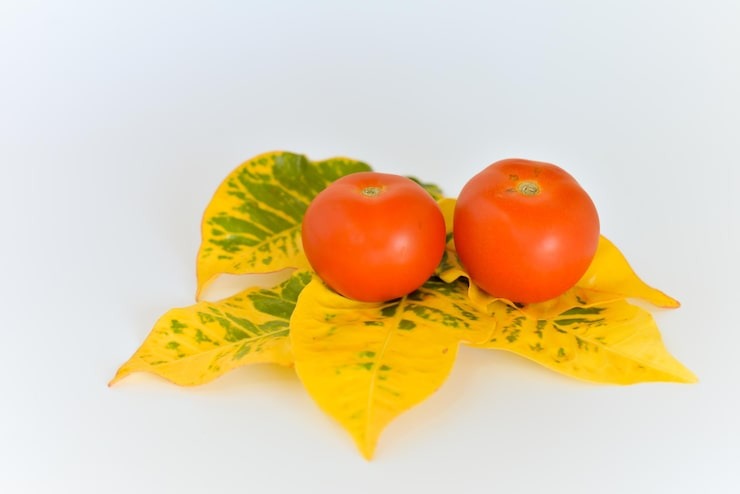
Few things ruin a gardener’s morning faster than walking outside, coffee in hand, ready to admire your tomato plants, only to find yellow leaves staring back at you like tiny botanical warning signs.
If your tomato leaves turning yellow has you spiraling into garden panic, take a breath. Yellow leaves do not always mean your tomato plant is dying. Sometimes it is a small issue. Sometimes it is stress. Sometimes the plant is simply being dramatic because tomatoes have never once been accused of emotional stability.
The key is figuring out what kind of yellowing you are seeing, where it starts, and what else is happening on the plant.
At Braggable Gardens, we love tomatoes with personality, but even the most brag-worthy plants need good care. Let’s walk through the most common reasons for yellow tomato leaves and what you can do before your garden turns into a tiny soap opera.
Old Lower Leaves Are Sometimes Normal
Not every yellow leaf is a crisis.
As tomato plants grow, older lower leaves may naturally yellow and die off. These leaves are often shaded by the upper growth and no longer doing much work for the plant.
If only a few lower leaves are turning yellow while the rest of the plant looks green, strong, and happy, you may not have a serious problem.
Remove those yellow leaves, especially if they are touching the soil. This helps improve airflow and reduces the chance of disease splashing up from the ground.
Basically, if the plant is only dropping a few old leaves, it may just be cleaning house.
Very responsible of it, honestly.
Overwatering Is a Big Cause of Yellow Tomato Leaves
Overwatering is one of the most common tomato plant problems, especially for newer gardeners who love their plants a little too aggressively.
Tomato roots need moisture, but they also need oxygen. If the soil stays soggy, roots can struggle to breathe, and the plant may start showing yellow leaves.
Overwatered tomatoes may have soft, droopy leaves, yellowing lower growth, slow growth, or soil that stays wet for too long.
The fix is simple, but emotionally difficult: stop watering on autopilot.
Check the soil before watering. If the top couple of inches are still damp, wait. Tomatoes like steady moisture, not swamp life.
Your tomato plant wants a drink, not a bathtub.
Underwatering Can Also Turn Leaves Yellow
Yes, tomatoes are annoying like that. Too much water can cause yellowing, and too little water can also cause yellowing.
Underwatered plants may look wilted, dry, curled, or crispy around the edges. The soil may pull away from the container or feel dry several inches down.
If your tomato leaves turning yellow problem comes with dry soil and wilting during the day, your plant may need deeper, more consistent watering.
Water slowly and thoroughly so moisture reaches the root zone. A quick splash on top of the soil is not enough, especially for large plants like Watermelon Beefsteak that need steady moisture to support big fruit.
Tomatoes do not enjoy emotional watering schedules.
Neither do gardeners, but here we are.
Poor Drainage Can Stress the Roots
Sometimes the problem is not how often you water. It is where the water goes afterward.
If your tomato plant is sitting in heavy soil, a container without drainage, or a garden bed that holds water too long, the roots may stay wet even if you are not watering constantly.
That can lead to root stress and yellow tomato leaves.
For container tomatoes, always use pots with drainage holes. For garden beds, improve heavy soil with compost and organic matter so water can move through more easily.
Tomatoes need soil that holds moisture but still drains well.
Think damp cake, not soup.
That is not an official gardening term, but it should be.
Nitrogen Deficiency
Nitrogen helps tomato plants grow healthy green leaves. When a plant does not get enough nitrogen, older leaves often turn pale green or yellow first.
This usually starts at the bottom of the plant and works upward if the problem continues.
If your plant looks generally pale, weak, or slow-growing, a lack of nutrients may be the issue. This can happen in poor soil, depleted containers, or beds that have grown heavy-feeding plants for multiple seasons.
Good tomato plant care includes feeding the plant properly, especially once it begins growing fast.
Use a balanced tomato fertilizer or compost-based feeding plan, but do not go wild. Too much nitrogen can create a huge leafy plant with very little fruit, which is just a green show-off with no tomatoes.
Very rude.
Magnesium or Iron Issues
Sometimes yellowing leaves show up with green veins still visible. This can point to certain nutrient issues, including magnesium or iron problems.
Magnesium deficiency often appears on older leaves first, while iron deficiency tends to show on newer growth. Soil pH can also affect how well the plant takes up nutrients, even if nutrients are technically present.
This is where gardeners sometimes start throwing every fertilizer they own at the plant.
Please do not do that.
If the yellowing pattern suggests a nutrient issue, correct it carefully. A soil test can help if the problem is ongoing. For container plants, using quality potting mix and a tomato-friendly feeding routine can prevent many of these issues from starting.
Plants like food.
They do not like panic buffets.
Too Little Sunlight
Tomatoes are sun lovers. They are not shy little desk plants waiting politely near a window.
If your tomato plant does not get enough sun, it may grow weak, pale, leggy, and yellow. Low light also affects flowering and fruit production.
For strong growth, tomatoes usually need at least 6 to 8 hours of direct sun each day. Large-fruited varieties and vigorous plants need plenty of light to perform well.
If your plant is in a shady spot, move container tomatoes to a sunnier area if possible. For in-ground plants, trim nearby overgrowth if it is blocking too much light.
When growing tomatoes, sunlight is not a cute bonus.
It is the main event.
Transplant Shock
If your tomato leaves turned yellow soon after planting, transplant shock may be the reason.
Moving from one pot to another, or from a protected space into the garden, can stress tomato plants. They need time to adjust to new soil, new light, new wind, new temperatures, and the general horror of being relocated without consent.
A little yellowing after transplanting can be normal, especially on lower leaves.
Keep the plant evenly watered, protect it from extreme weather, and give it time to settle in. Avoid heavy feeding immediately after transplanting unless the plant clearly needs it.
Once roots establish, new growth should look healthier.
Tomatoes are tough, but they do enjoy a short dramatic recovery period.
Cold Weather Stress
Tomatoes are warm-season plants. They do not appreciate cold soil, chilly nights, or surprise spring weather that acts like winter forgot its keys.
Cold stress can cause yellowing, purpling, slow growth, and general plant sulking.
If you planted too early, your tomatoes may sit there looking miserable until the weather warms. This is especially common when nights stay cool or soil temperatures are still low.
Wait until conditions are reliably warm before planting tomatoes outside. If a cold snap is coming, cover young plants or move containers to a protected spot.
Tomatoes like warmth.
Not frost. Not cold feet. Not spring’s little jokes.
Pest Problems
Pests can also cause tomato leaves turning yellow.
Aphids, spider mites, whiteflies, and other tiny troublemakers can feed on tomato leaves and weaken the plant. Look closely at the undersides of leaves, stems, and new growth.
Spider mites may cause fine speckling, yellowing, and webbing. Aphids often cluster around tender new growth. Whiteflies may flutter up when the plant is disturbed.
If pests are present, deal with them early. A strong spray of water can remove some pests. Insecticidal soap or other garden-safe treatments may help when used correctly.
Do not ignore pests and hope they leave out of politeness.
They will not.
Disease Can Cause Yellowing Leaves
Some tomato diseases start with yellowing leaves, especially on the lower part of the plant.
Fungal diseases like early blight and septoria leaf spot often show up with yellowing, spots, or brown patches. These problems can spread, especially in humid conditions or when leaves stay wet.
Remove affected lower leaves, improve airflow, avoid overhead watering, and keep foliage as dry as possible. Mulching around the plant can also reduce soil splash, which helps limit disease spread.
If you are choosing tomatoes for your garden, starting with healthy plants from Braggable Gardens’ rare tomato plants collection gives you a much better beginning than grabbing stressed shelf plants and hoping for miracles.
Healthy starts matter.
So does not watering the leaves like you are washing a car.
Container Stress
Tomatoes grown in containers can yellow for several reasons.
The pot may be too small. The soil may dry out too fast. Nutrients may wash out over time. Roots may get too hot in direct sun, especially in dark containers.
If your container tomato is yellowing, check the basics first. Is the pot large enough? Does it drain well? Is the plant getting enough water? Has it been fed properly?
Container tomatoes need more attention than in-ground tomatoes because they depend entirely on the space and nutrients you provide.
A tomato plant in a tiny pot is like a person trying to live in a closet.
Possible for a minute, but nobody is thriving.
How to Diagnose Yellow Tomato Leaves
Start by looking at where the yellowing appears.
If it is only the oldest lower leaves, it may be normal aging. If the whole plant is pale, think nutrients or water stress. If leaves are yellow with spots, look for disease. If new growth is yellow, consider nutrient uptake issues, root stress, or pH problems.
Next, check the soil.
Too wet? Too dry? Compacted? Poor drainage? Tiny container?
Then look under the leaves for pests. Also think about recent changes. Did you transplant recently? Did temperatures drop? Did you fertilize heavily? Did the plant suddenly get less sun?
Tomato plants leave clues.
They just do not leave polite written notes, which feels inconsiderate.
Quick Fixes That Help Most Tomato Plants
A few basic fixes help with many tomato plant problems.
Water consistently. Improve drainage. Remove yellow or diseased lower leaves. Mulch around the plant. Give tomatoes enough sunlight. Feed carefully with the right fertilizer. Support the plant properly so leaves do not sit on the soil.
If pests are present, handle them early. If disease appears, remove affected foliage and improve airflow. If the plant is in a container that is too small, move it to a larger pot.
These are simple tomato growing tips, but they make a real difference.
Tomatoes do not need perfection.
They need consistency, sunlight, airflow, and fewer bad decisions from us.
Can Yellow Tomato Leaves Turn Green Again?
Usually, yellow leaves do not fully turn green again.
Once a leaf has yellowed badly, it has often lost function. The goal is not to save every yellow leaf. The goal is to fix the cause so new growth comes in healthy.
Remove yellow leaves if they are dead, diseased, touching the soil, or attracting pests. Keep healthy leaves because the plant still needs them for energy.
Do not strip the plant completely bare in a fit of gardening panic.
Leaves are solar panels. The plant needs enough of them to keep going.
Think of pruning as helping, not revenge.
When Should You Worry?
You should worry if yellowing spreads quickly, affects new growth, comes with spots or wilting, or appears alongside pests, rot, or major plant decline.
You should worry less if it is just a few old lower leaves on an otherwise healthy plant.
A strong tomato variety like Tigerella can still drop old leaves during the season while continuing to grow and produce. The whole plant tells the real story, not one dramatic leaf near the bottom.
Look at the bigger picture.
Healthy new growth, strong stems, flowers, and fruit are good signs.
A few yellow leaves are not automatically a tragedy.
Final Thoughts
If you notice tomato leaves turning yellow, do not panic and start apologizing to the plant.
Yellow leaves can come from normal aging, overwatering, underwatering, poor drainage, nutrient problems, low light, transplant shock, cold stress, pests, disease, or container stress.
The best thing you can do is slow down and investigate. Check the soil. Look at where the yellowing starts. Inspect for pests. Think about recent weather, watering, feeding, and planting changes.
Most tomato problems can be improved when you catch them early.
And remember, even healthy tomato plants can throw a few yellow leaves during the season. Tomatoes are productive, delicious, and occasionally dramatic.
Honestly, same.
Give them good care, enough sun, steady water, and a little attention, and they will usually reward you with the kind of harvest that makes all the leaf drama worth it.

